Unlocking the Charm of Vintage Book Collection Vector Art for Modern Design
In the rapidly evolving world of digital design, there is a persistent and powerful allure to the past. Designers, educators, and content creators frequently seek assets that evoke nostalgia, wisdom, and timeless elegance. This is where the Vintage Book Collection Vector becomes an indispensable resource. This specific collection offers a curated set of high-contrast, black-and-white illustrations that capture the essence of classic literature and antique libraries. By understanding the components and applications of this vector art, you can elevate your creative projects with a touch of historical sophistication.
The Anatomy of the Collection: What Is Included?
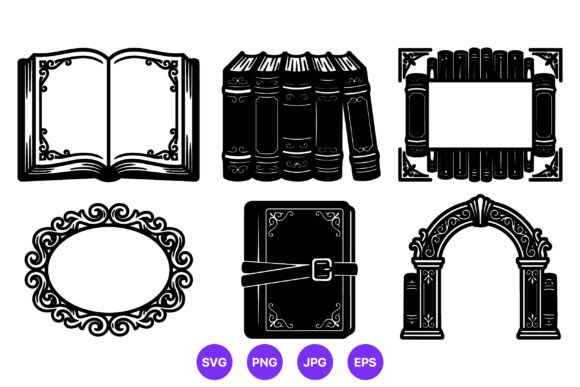
To fully leverage this asset, it is essential to understand exactly what comprises the package. The collection is not merely a single image but a versatile toolkit designed for various design needs. It features five distinct elements, each crafted with meticulous attention to detail:
- An Open Book with Decorative Corners: This centerpiece illustration symbolizes knowledge and discovery. The decorative corners add an ornate, Victorian-era flair, making it perfect for titles or focal points in educational materials.
- A Stack of Old Books: Representing accumulated wisdom, this element adds depth and texture to layouts. It is ideal for backgrounds or sidebars where a sense of history is required.
- An Ornate Oval Frame: While not a book itself, this frame complements the literary theme perfectly. It can be used to highlight quotes, author portraits, or key information within a vintage-themed design.
- A Closed Belted Book: This intriguing item suggests secrecy, preciousness, or protected knowledge. The belt detail adds a unique tactile quality to the visual, sparking curiosity in the viewer.
- An Arched Bookshelf: Providing structure and context, the arched shelf serves as an excellent container for other design elements or text, framing content in a classical architectural style.
Each of these elements is rendered in a high-contrast black and white style. This aesthetic choice is not accidental; it ensures maximum versatility and clarity, allowing the designs to stand out against any background color or texture.
Why Vector Format Matters for Professional Workflows
One of the most significant advantages of this collection is its technical foundation. The download includes a ZIP folder containing files in SVG, PNG, JPG, and EPS formats. For those new to graphic design, understanding why this variety matters is crucial for efficient workflow.
Scalability Without Quality Loss
The inclusion of SVG (Scalable Vector Graphics) and EPS (Encapsulated PostScript) files is the hallmark of professional-grade assets. Unlike raster images (such as standard JPEGs or PNGs), which are made of pixels, vector graphics are based on mathematical paths. This means you can resize the vintage book illustrations from the size of a business card to the side of a building without any loss in quality. There will be no pixelation, blurriness, or jagged edges. This scalability is vital for branding, where a logo or icon must look crisp on both a mobile screen and a large print banner.
Compatibility Across Platforms
Different software and platforms require different file types. The PNG files included in the pack offer transparency, making them easy to drop into web designs or presentations without a white box around the image. The JPG files are universally compatible, suitable for quick previews or social media posts where file size is a concern. Meanwhile, the EPS files are industry-standard for professional printing and can be easily edited in software like Adobe Illustrator or CorelDRAW. This comprehensive format support ensures that whether you are a hobbyist using Canva or a professional designer using complex suites, you can utilize the artwork effectively.
Practical Applications in Modern Creativity
The utility of the Vintage Book Collection Vector extends far beyond simple decoration. Its semantic relevance to education, literature, and history makes it a powerful tool for communication. Here is how various professionals can integrate these assets into their work:
- Educational Materials: Teachers and instructional designers can use the open book and stack illustrations to create engaging worksheets, textbook covers, or e-learning modules. The imagery reinforces the theme of learning and academic rigor.
- Branding for Bookstores and Libraries: Independent bookshops and local libraries can incorporate the arched bookshelf or belted book into their logos, signage, and merchandise. These visuals instantly communicate the nature of the business while establishing a cozy, inviting atmosphere.
- Publishing and Editorial Design: Authors and publishers can use the ornate oval frame to highlight testimonials or author bios on book jackets. The high-contrast style works exceptionally well for chapter headers or section dividers within a novel.
- Web and UI Design: For blogs focused on literature, history, or academia, these vectors serve as excellent icons or hero images. The SVG format ensures fast loading times and sharp display on retina screens, enhancing user experience.
- Event Invitations and Stationery: Literary-themed events, such as book clubs, poetry readings, or library fundraisers, can utilize these designs for invitations, tickets, and programs. The vintage aesthetic sets the appropriate tone for such gatherings.
Clarifying Common Misconceptions About Vintage Assets
When working with vintage-style graphics, several misunderstandings can hinder effective design. Addressing these can help you make better creative decisions.
Misconception 1: Vintage Means Cluttered. Many assume that old-fashioned designs must be overly complex or busy. However, this collection demonstrates that vintage style can be clean and minimal. The high-contrast black and white approach strips away unnecessary noise, focusing on shape and form. This makes the art suitable for modern, minimalist layouts that still require a touch of classic charm.
Misconception 2: Vectors Are Only for Logos. While vectors are indeed ideal for logos, their utility is much broader. They can be used as patterns, backgrounds, masks, and intricate details in larger compositions. The arched bookshelf, for instance, can serve as a structural element in a webpage layout, guiding the user’s eye through the content.
Misconception 3: Black and White Is Boring. On the contrary, monochrome designs offer maximum flexibility. Because the artwork is devoid of color, it can be easily recolored to match any brand palette. You can change the black to navy blue, deep green, or burgundy with a few clicks in your design software, allowing the same asset to fit multiple brand identities.
Integrating Nostalgia into Digital Spaces
In an era dominated by sleek, flat digital interfaces, incorporating elements of the past can create a unique emotional connection with the audience. This phenomenon, often referred to as "digital nostalgia," leverages familiar, comforting imagery to build trust and engagement. The Vintage Book Collection Vector taps into this by evoking the tactile sensation of holding an old book, the smell of aged paper, and the quiet ambiance of a traditional library.
For businesses, this translates to brand differentiation. In a crowded market, a brand that uses thoughtful, historically inspired visuals stands out. It suggests longevity, reliability, and a respect for tradition. For educators, it creates a welcoming environment that honors the legacy of knowledge. For creatives, it provides a rich source of inspiration that bridges the gap between the analog and digital worlds.
Conclusion: A Timeless Resource for Contemporary Design
The Vintage Book Collection Vector is more than just a set of images; it is a versatile design tool that combines aesthetic beauty with technical precision. By offering high-quality SVG, PNG, JPG, and EPS files, it caters to a wide range of users, from beginners to seasoned professionals. Its components—the open book, stacked volumes, ornate frame, belted book, and arched shelf—provide a comprehensive vocabulary for expressing themes of knowledge, history, and elegance.
Whether you are designing a logo for a new bookstore, creating educational content for students, or adding a touch of class to a wedding invitation, this collection offers the flexibility and quality needed to succeed. By understanding the strengths of vector graphics and the semantic power of vintage imagery, you can create designs that are not only visually appealing but also deeply resonant with your audience. Embrace the charm of the past to enhance your present creative endeavors.