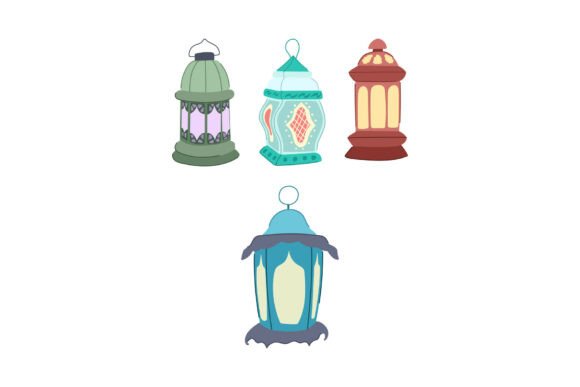
Ornate Traditional Lanterns Illuminating: Blending Heritage with Modern Ambiance
In an era dominated by sleek, minimalist design and cold LED strips, there is a growing counter-movement toward warmth, texture, and history. Ornate traditional lanterns illuminating spaces are no longer just relics of the past; they have become essential elements in contemporary interior design, event planning, and cultural storytelling. These intricate fixtures do more than provide light; they cast shadows that tell stories, creating a sensory experience that connects us to centuries of craftsmanship and celebration.
The relevance of these lanterns extends far beyond mere nostalgia. For homeowners, event organizers, and business owners, understanding the power of ornate lighting is about mastering atmosphere. It is about leveraging the psychological comfort of warm, diffused light to create environments that feel inviting, safe, and celebratory. As we navigate a digital-heavy world, the tangible beauty of handcrafted metalwork, stained glass, and paper offers a grounding presence that modern technology often lacks.
The Evolution of Light and Tradition
Historically, lanterns were functional necessities, designed to protect flames from wind and rain while maximizing visibility. However, across cultures—from the intricate brass lanterns of the Middle East to the delicate paper creations of East Asia—craftsmen quickly realized that light could be art. The evolution from pure utility to decorative appeal marks a significant shift in how humans interact with their environment.
Today, this evolution continues. We are seeing a fusion of old-world aesthetics with new-world technology. Modern ornate traditional lanterns often house energy-efficient LED bulbs that mimic the flicker of candlelight without the fire hazard. This adaptation allows these pieces to fit seamlessly into modern safety standards while retaining their visual soul. For creators and designers, this means the barrier to entry has lowered. You no longer need to choose between historical authenticity and practical maintenance; you can have both.
This shift reflects a broader trend in consumer behavior: the desire for "slow living" and authentic experiences. People are paying more attention to the provenance of the objects in their homes. A mass-produced plastic lamp lacks the narrative weight of a hand-hammered copper lantern. By choosing ornate traditional styles, individuals signal an appreciation for detail, patience, and cultural heritage.
Creating Atmosphere in Cultural Festivities
One of the most powerful applications of these lanterns is in cultural festivities. Light is a universal symbol of hope, guidance, and community. During festivals such as Diwali, Ramadan, Lunar New Year, or Mid-Autumn Festival, lanterns are not merely decorations; they are central to the ritual.
- Diwali: Known as the Festival of Lights, it celebrates the victory of light over darkness. Ornate lanterns, often called kandils, are hung in homes and streets, creating a dazzling display that fosters community spirit.
- Ramadan: The Fanoos is an iconic symbol of the holy month. Its intricate geometric patterns cast complex shadows, enhancing the spiritual and reflective mood of evenings.
- Lunar New Year: Red lanterns symbolize good fortune and joy. Hanging them is believed to ward off evil spirits and welcome prosperity.
For event planners and marketers, understanding these nuances is crucial. Using ornate traditional lanterns appropriately shows respect for culture and enhances the thematic depth of an event. It transforms a generic gathering into a meaningful celebration. The warm glow invites guests to linger, converse, and connect, fulfilling the core purpose of any festive occasion.
Practical Implications for Modern Spaces
Beyond festivals, ornate lanterns have found a permanent place in everyday interiors and commercial spaces. Here is how different groups can leverage this trend:
For Homeowners and Interior Designers
In residential settings, these lanterns serve as focal points. A large, ornate pendant light in a dining room can anchor the space, drawing the eye upward and adding vertical interest. In outdoor patios or gardens, hanging lanterns create intimate zones for evening relaxation. The key is balance. Because these pieces are visually heavy due to their detail, they work best when paired with simpler furnishings. Let the lantern be the star.
Consider the material. Brass and copper develop a patina over time, adding character. Glass panels can be clear for maximum brightness or colored for mood lighting. Paper lanterns offer softness but require careful placement away from moisture. Choosing the right material ensures longevity and aesthetic harmony.
For Hospitality and Business Owners
Restaurants, hotels, and retail stores are increasingly using lighting to define their brand identity. An ornate traditional lantern can communicate luxury, exoticism, or warmth instantly. For a boutique hotel, lobby lighting sets the first impression. A cluster of varying sizes can create a dramatic entrance. For cafes, smaller table lanterns can encourage customers to stay longer, potentially increasing average spend.
Moreover, in the age of social media, photogenic spaces drive marketing. The intricate shadows cast by ornate lanterns create natural filters for photos, encouraging user-generated content. Customers are likely to share images of a beautifully lit corner, providing free advertising for the business.
For Creators and Photographers
Lighting is the painter’s brush for photographers and videographers. Ornate lanterns offer unique opportunities for creative expression. The patterns cut into metal or wood create gobo-like effects on walls and floors, adding texture to otherwise flat surfaces. Using these lanterns as props or light sources can add depth and mystery to portraits and product shots.
When shooting, consider the color temperature. Warm light (2700K–3000K) enhances the golden tones of brass and the richness of wood. Cooler light may clash with the traditional aesthetic, making the metal look sterile. Experiment with angles to capture the interplay of light and shadow.
Navigating Trends and Sustainability
As sustainability becomes a priority, the market for ornate lanterns is adapting. Consumers are seeking durable, timeless pieces rather than disposable decor. High-quality traditional lanterns, made from metal and glass, can last for decades, reducing waste. Additionally, the shift to LED technology reduces energy consumption, aligning with eco-friendly values.
There is also a rise in artisanal collaborations. Many brands are partnering with local craftsmen to produce lanterns that support traditional skills. This ethical approach appeals to conscious consumers who want their purchases to have a positive social impact. For businesses, sourcing from such artisans can be a strong part of their corporate social responsibility narrative.
However, buyers should be wary of cheap imitations. Mass-produced replicas often lack the structural integrity and finish of genuine handcrafted items. Look for signs of craftsmanship: uniform soldering, smooth edges, and consistent patterns. Investing in quality ensures that the lantern remains a cherished item rather than a temporary trend.
Integrating Light into Daily Life
Ultimately, the appeal of ornate traditional lanterns illuminating our lives lies in their ability to transform the mundane into the magical. They remind us to slow down and appreciate the beauty of light itself. In a world that moves fast, these lanterns offer a moment of pause.
Whether used for a grand celebration or a quiet evening at home, they enhance themes of tradition and connection. They invite us to gather, to reflect, and to celebrate. As we continue to blend the old with the new, these lanterns stand as testaments to the enduring power of human creativity and the universal love for light.
To incorporate them effectively, start small. Add a single lantern to a bookshelf or hang one by the front door. Observe how the light changes the mood of the room. From there, expand your collection, mixing sizes and styles to create a layered, dynamic lighting scheme. Remember, the goal is not just illumination, but inspiration.
By embracing these ornate pieces, we keep traditions alive while adapting them to our modern needs. We create spaces that are not only functional but also emotionally resonant. In doing so, we illuminate not just our rooms, but our lives, with warmth, history, and beauty.