Mountain Biker Performing Jump over Dirt: Evaluating the Premium Vector Silhouette for Design Projects
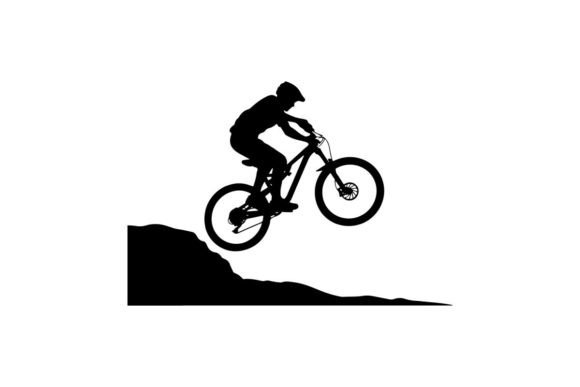
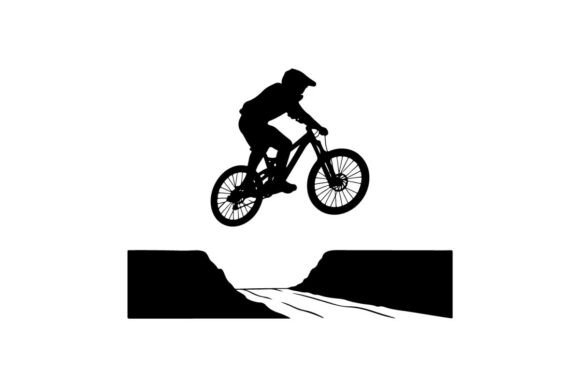
In the realm of graphic design, particularly when creating assets for sports branding, outdoor apparel, or adventure-themed marketing, the choice of visual element can define the tone of an entire campaign. The Mountain Biker Performing Jump over Dirt silhouette represents a specific category of vector art that balances dynamic action with structural simplicity. This particular design captures the apex of motion—a rider suspended mid-air above a dirt mound—rendered in a clean, black-and-white format. For designers and creative professionals, understanding the utility, limitations, and comparative advantages of this specific asset is essential before integrating it into a broader workflow.
This article explores the characteristics of the Mountain Biker Performing Jump over Dirt clip art, comparing its vector structure against other formats, analyzing its suitability for various applications, and helping you determine if this resource aligns with your specific project requirements.
The Distinctive Nature of Action-Oriented Silhouettes
A silhouette is more than just a black shape; it is a reduction of form to its most essential outline. When applied to a complex subject like a mountain biker in mid-jump, the challenge lies in conveying speed, tension, and trajectory without the aid of color, shading, or texture. The Mountain Biker Performing Jump over Dirt achieves this through carefully balanced shapes and negative space. Unlike photographic representations that capture every detail of gear and terrain, this vector approach strips away non-essential elements to focus purely on the posture of the rider and the geometry of the bike.
This distinctiveness makes the asset highly versatile. In design theory, high-contrast silhouettes often command immediate attention because they create a strong focal point. The "dirt" component of the jump is not merely background noise but an integral part of the composition, grounding the action and providing context. By removing the complexity of realistic rendering, the design becomes a flexible tool that can be recolored, layered, or integrated into intricate patterns without losing legibility. This is a critical differentiator from raster-based images, which often degrade when manipulated heavily.
Vector vs. Raster: A Technical Comparison
When evaluating resources for creative projects, the file format is often the most significant technical factor. The Mountain Biker Performing Jump over Dirt is constructed as a premium vector, which offers distinct advantages over raster alternatives like JPEGs or PNGs.
- Scalability: Vector graphics are defined by mathematical equations rather than pixels. This means the Mountain Biker silhouette can be scaled from a tiny icon on a mobile app interface to a massive billboard print without any loss of quality. Raster images, conversely, become pixelated or blurry when enlarged beyond their original resolution.
- Editability: With a vector file, individual paths can be adjusted. If a designer needs to slightly alter the angle of the handlebars or the height of the dirt mound to fit a specific layout, these changes are possible within vector editing software. Raster files require complex retouching tools to achieve similar results, often leading to artifacts.
- File Efficiency: Despite containing complex curves, well-optimized vector files often have smaller file sizes compared to high-resolution raster images, making them easier to manage in large design libraries.
However, vectors do have tradeoffs. They cannot easily replicate photorealistic textures, such as the grain of dirt or the fabric weave of a jersey. If a project requires a hyper-realistic look where lighting and texture are paramount, a high-quality photograph might be a better alternative. The silhouette style is best suited for logos, icons, t-shirt prints, and graphic overlays where clarity and boldness take precedence over realism.
Assessing Suitability for Different Creative Applications
The decision to use the Mountain Biker Performing Jump over Dirt should be driven by the intended application. Its modern, streamlined aesthetic makes it a strong candidate for several specific use cases, though it may not be the ideal choice for others.
Best-Fit Scenarios
Apparel and Merchandise: Screen printing and vinyl cutting rely heavily on clean lines. The optimized vector paths of this clip art ensure smooth cutting on machines like Cricut or Silhouette, reducing the risk of errors during production. The bold contrast translates exceptionally well onto fabrics, ensuring the design remains visible even from a distance.
Branding and Logos: For outdoor brands, cycling clubs, or event organizers, a logo needs to be memorable and scalable. The timeless appeal of the silhouette ensures that the brand identity does not feel dated by fleeting trends. The dynamic pose of the biker conveys energy and movement, which are core values for many active lifestyle brands.
Digital Content and Web Graphics: On websites and social media, load times matter. Vector-based SVGs render quickly and look crisp on all screen densities, including Retina displays. The clean outlines also allow for easy integration into flat design systems or minimalist layouts.
Limitations and Alternatives
While versatile, this specific asset is not a universal solution. If a project demands a narrative scene with multiple characters, detailed backgrounds, or atmospheric effects, a single silhouette may feel too sparse. In such cases, combining the silhouette with other illustrative elements or choosing a more detailed illustration style might be necessary. Additionally, if the target audience prefers a vintage or hand-drawn aesthetic, the polished, modern vector style of the Mountain Biker Performing Jump over Dirt might clash with the desired tone. In those instances, looking for assets with sketch-like qualities or textured fills would be a more strategic choice.
Decision Factors for Selecting This Asset
Before committing to the Mountain Biker Performing Jump over Dirt, consider the following criteria to ensure it meets your project's technical and aesthetic needs.
- Complexity Requirements: Does the project need intricate details? If yes, this silhouette may be too simple. If the goal is instant recognition and bold impact, it is an excellent fit.
- Production Method: Are you planning to cut vinyl, embroider, or print on large formats? The vector nature of this asset supports all these methods effectively, whereas raster images would struggle with precision cutting or embroidery digitization.
- Color Flexibility: Can the design adapt to your color palette? Since this is a silhouette, it is inherently monochromatic but can be filled with any color, gradient, or pattern, offering maximum flexibility for rebranding efforts.
- Software Compatibility: Ensure you have access to software capable of handling vector files (such as Adobe Illustrator, CorelDRAW, or Inkscape) to fully utilize the editable paths and scaling capabilities.
Practical Integration Strategies
To maximize the value of the Mountain Biker Performing Jump over Dirt, consider how it interacts with other design elements. Because the silhouette is so clean, it pairs well with typography. Placing text inside the negative space of the dirt mound or overlaying a bold headline across the rider's path can create a cohesive composition. Furthermore, duplicating the silhouette at varying opacities can create a sense of motion blur or depth, adding a layer of sophistication to the design without compromising the clean aesthetic.
For digital campaigns, animating the vector paths is another powerful option. The structured nature of the artwork allows for smooth keyframe animation, bringing the static image to life in video intros or interactive web banners. This capability extends the lifecycle of the asset far beyond static print materials.
Conclusion on Value and Utility
The Mountain Biker Performing Jump over Dirt stands out as a robust resource for designers seeking a balance between artistic expression and functional utility. Its strength lies in its versatility, scalability, and ability to convey dynamic action through minimalism. While it may not replace the need for photorealistic imagery in every scenario, its advantages in branding, merchandise, and digital media make it a superior choice for projects requiring clean, professional, and adaptable visuals.
By understanding the technical benefits of vector formats and the stylistic implications of silhouette art, you can make an informed decision about whether this asset fits your creative journey. Ultimately, the right tool depends on the specific goals of your project, but for those prioritizing clarity, scalability, and modern aesthetics, this clip art offers a compelling solution.