Mastering Scandinavian Floral Folk Art Design: A Practical Guide to Authentic Nordic Style
The enduring appeal of Scandinavian Floral Folk Art Design lies in its unique ability to balance rustic charm with sophisticated simplicity. Whether you are a graphic designer creating branding for a boutique hotel, a crafter looking for the perfect embroidery pattern, or a homeowner seeking to refresh your living space with nature-inspired elements, understanding the nuances of this style is essential. However, the popularity of nordic design has led to a saturated market filled with generic imitations that miss the mark. To truly leverage the power of these botanical illustrations and floral motifs, you must look beyond surface-level aesthetics and understand the technical and artistic foundations that make them effective.
The Misconception of "Simple" Minimalism
One of the most common mistakes creators make is assuming that because Scandinavian art is often described as minimalist, it requires little effort or detail. This misunderstanding leads to the use of flat, lifeless flower silhouettes that lack the organic warmth characteristic of traditional swedish folk art. True folk floral designs are not just about reducing an image to its bare minimum; they are about capturing the essence of the blooming flowers and leaves through deliberate, hand-drawn strokes.
When you choose a decorative branch or floral ornament that feels too sterile or digitally perfect, you lose the human touch that defines the genre. This can negatively impact your project’s emotional resonance. For instance, a wedding invitation featuring a cold, vector-based flower arrangement may look clean, but it often fails to convey the intimacy and heritage associated with traditional art. Instead, seek out designs that retain the slight irregularities of a hand-drawn flower. These imperfections are not flaws; they are signatures of authenticity that connect the viewer to the artisanal roots of the style.
Technical Pitfalls in File Selection and Usage
Beyond aesthetic choices, technical errors can severely compromise the quality of your final output. Many beginners download low-resolution JPG files for projects that require scalability, such as large-format printing or logo design. This is a critical error. When you stretch a raster image like a JPG or PNG beyond its intended size, the edges become pixelated, destroying the crisp lines essential for a professional look.
To avoid this, always prioritize vector formats like SVG or EPS when available. These files allow you to scale your scandinavian pattern infinitely without losing quality. If you are working on digital platforms where file size matters, high-resolution PNGs at 300 ppi are acceptable, but only if you do not plan to resize them significantly. For print materials, such as home decor items or craft designs, ensure you are using the PDF or EPS versions provided in comprehensive asset packs. This ensures that your botanical clipart remains sharp whether it is printed on a small greeting card or a large wall canvas.
Overlooking Context and Color Harmony
Another frequent oversight is ignoring the contextual harmony of the floral motif within the broader design scheme. Scandinavian design is renowned for its thoughtful use of color and space. A common mistake is pairing a bold, intricate floral branch with a cluttered background or competing patterns. This creates visual noise that distracts from the beauty of the ornamental flower.
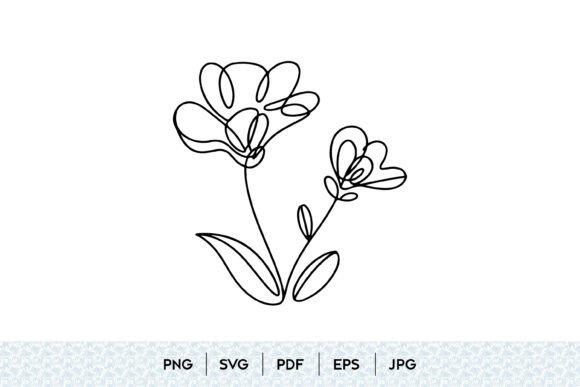
Consider the principle of negative space. In nordic design, the empty space around the decorative botanical element is just as important as the element itself. If you are using a monochrome floral design, let it breathe. For example, if you are incorporating a black and white flower silhouette into a website header, ensure there is ample padding around it. This approach enhances readability and draws the eye directly to the artistic flower. Furthermore, be mindful of color palettes. While many traditional pieces are monochromatic, modern interpretations often use muted earth tones. Clashing these with neon or overly saturated colors can break the rustic decor vibe you are trying to achieve.
Evaluating Quality Before Purchase or Download
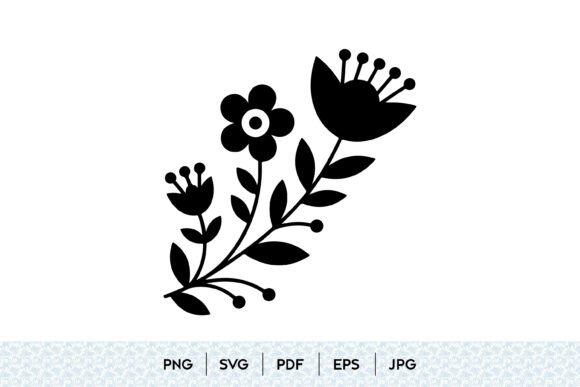
Before committing to a specific set of assets, it is crucial to evaluate the versatility and completeness of the package. Many free or low-cost resources offer limited file types, forcing you to convert formats manually, which often results in quality loss. A high-quality resource pack should include a variety of formats: PNG for web use, JPG for quick previews, and vector files like SVG and EPS for professional editing.
Check the resolution of raster files. A standard screen resolution of 72 ppi is insufficient for any print application. Always look for files labeled as 300 ppi or higher. Additionally, examine the complexity of the paths in vector files. Overly complex vectors with thousands of anchor points can slow down design software and cause printing issues. Well-optimized scandinavian floral assets will have clean, efficient paths that are easy to edit and recolor.
- Verify File Formats: Ensure the package includes SVG, EPS, PNG, and JPG to cover all potential use cases from web to print.
- Check Resolution: Confirm that raster images are at least 300 ppi for high-quality printing.
- Assess Editability: Open a sample vector file to ensure layers are organized and colors are easily adjustable.
- Review Licensing: Understand whether the design is for personal use only or if commercial rights are included, especially for entrepreneurs and marketers.
Integrating Folk Art into Modern Projects
Successfully applying Scandinavian Floral Folk Art Design requires a blend of respect for tradition and adaptation to modern needs. For educators and bloggers, these elements can break up text and add visual interest without overwhelming the content. Use simple leaf motifs as bullet points or section dividers. For small business owners, incorporating a subtle floral watermark or border can elevate packaging design, making it feel premium and thoughtful.
When using these designs for embroidery patterns or craft projects, pay attention to line weight. Designs that are too detailed may be difficult to stitch or cut. Look for stylized botanical illustrations that simplify the natural form while retaining its recognizability. This balance ensures that the final product is both beautiful and manageable to create.
In conclusion, mastering this design style is not about finding the most elaborate image, but about choosing the right tool for the job. By avoiding common technical and aesthetic pitfalls, you can harness the timeless elegance of nordic design. Whether you are creating a minimalist floral logo or decorating a rustic home, the key lies in authenticity, technical precision, and thoughtful composition. Take the time to select high-quality, versatile assets, and your work will reflect the genuine warmth and sophistication that defines true Scandinavian artistry.