Italian Majolica Tile Clipart Guide
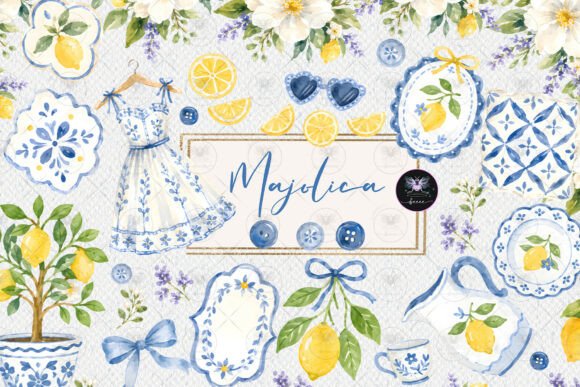
Visual storytelling relies heavily on the emotional resonance of design elements. When you incorporate Italian Majolica Tile Clipart into your creative projects, you are not merely adding decoration; you are invoking centuries of Mediterranean artistry. This specific style of digital asset captures the vibrant, hand-painted aesthetic of traditional ceramics from regions like Deruta and Caltagirone. For designers, marketers, and hobbyists alike, understanding how to leverage these watercolor-style illustrations can significantly elevate the perceived value of their work.
The appeal of this clipart lies in its versatility and cultural depth. Unlike generic geometric patterns, Italian majolica designs carry a narrative of warmth, hospitality, and artisanal quality. Whether you are designing a wedding invitation for a summer venue or creating branding materials for a boutique café, these elements provide an immediate visual cue that suggests elegance and tradition. The watercolor technique adds a layer of softness and approachability, making the bold colors of traditional tiles feel modern and adaptable to contemporary layouts.
Enhancing Brand Identity with Cultural Authenticity
For small business owners and entrepreneurs, particularly those in the food, hospitality, or lifestyle sectors, brand identity is crucial. Using Italian Majolica Tile Clipart allows brands to communicate specific values without relying solely on text. The intricate blue and white patterns, often accented with vibrant yellows and greens, evoke a sense of authenticity. This is particularly effective for businesses selling olive oil, wine, handmade pasta, or artisanal soaps. By integrating these motifs into packaging labels or social media graphics, you create a cohesive visual language that resonates with consumers seeking quality and heritage.
Consider a local bakery launching a new line of lemon-infused pastries. Instead of using standard stock photos, the owner could use watercolor illustrations of Mediterranean lemons framed by ornamental tile borders. This approach not only highlights the product’s key ingredient but also situates it within a desirable cultural context. The result is a more engaging customer experience that differentiates the brand from competitors using generic imagery. It is a subtle yet powerful way to strengthen communication and build brand loyalty.
Streamlining Creative Workflows for Designers
Time is a critical resource for professional designers and freelancers. Creating complex, hand-painted textures from scratch requires significant skill and hours of labor. High-quality Italian Majolica Tile Clipart offers a practical solution by providing ready-to-use assets that maintain the look of original artwork. Each illustration provided as a high-quality PNG file with a transparent background eliminates the need for tedious editing. This efficiency allows creators to focus on layout, typography, and overall composition rather than getting bogged down in detailed illustration work.
Moreover, these assets are incredibly flexible. Because they are digital files, they can be scaled, rotated, and recolorized to fit various project requirements. A graphic designer working on a restaurant menu can quickly experiment with different tile patterns to find the perfect balance between background texture and readable text. This ability to iterate rapidly supports better decision-making and ensures the final design meets client expectations without exceeding budget or timeline constraints. It simplifies the design process while maintaining a high standard of visual appeal.
Elevating Personal Projects and Event Stationery
Beyond commercial applications, these clipart collections are invaluable for personal creative endeavors. Wedding planners and couples designing their own invitations often seek themes that reflect their personal style or the location of their event. An Italian-themed wedding, whether held in Tuscany or inspired by the Amalfi Coast, benefits greatly from the inclusion of majolica motifs. The watercolor style lends a romantic, organic feel that pairs beautifully with elegant typography and high-quality paper stocks.
Scrapbookers and junk journal enthusiasts also find immense value in these digital resources. The detailed floral accents and pottery illustrations allow for rich, layered pages that tell a story of travel and memory. Users can print these elements at home or through professional services to create custom stickers, planner inserts, or decorative ephemera. The transparency of the PNG files ensures that these elements blend seamlessly with other papers and photos, creating a cohesive and polished look. This accessibility empowers hobbyists to produce professional-grade crafts without needing advanced artistic skills.
Practical Considerations for Digital Implementation
While the benefits of using Italian Majolica Tile Clipart are clear, successful implementation requires attention to detail. One common limitation users face is resolution. Ensure that the clipart you select is high-resolution, typically 300 DPI or higher, if you intend to print physical items like invitations or sublimation products. Low-resolution images may appear pixelated when enlarged, detracting from the elegant aesthetic you aim to achieve. Always check the file specifications before purchasing or downloading.
Another consideration is color harmony. Traditional majolica features bold, saturated colors. When incorporating these into a design, it is essential to balance them with neutral spaces to avoid visual clutter. Use the tile patterns as accents rather than overwhelming backgrounds. For digital designs, such as website headers or social media posts, consider adjusting the opacity of the watercolor elements to ensure text remains legible. Testing your designs on different devices and screens can help you gauge how the colors and details translate in various contexts.
Additionally, be mindful of licensing terms. While many clipart collections offer broad usage rights, some may have restrictions on commercial use or the number of end products. Understanding these limitations protects you from legal issues and ensures ethical use of the artist’s work. For entrepreneurs planning large-scale production runs, verifying commercial licenses is a necessary step in the planning process.
Expanding Creative Possibilities Through Sublimation
The rise of print-on-demand and sublimation printing has opened new avenues for using digital clipart. Crafters and small business owners can transfer Italian Majolica Tile Clipart onto mugs, coasters, tote bags, and ceramic tiles. The watercolor style translates exceptionally well to these mediums, retaining its soft edges and vibrant hues. This application allows creators to offer unique, customized home decor items that appeal to customers looking for distinctive gifts.
When preparing files for sublimation, mirror the image and ensure the color profile is appropriate for the printer being used. The transparent background of the PNG files is particularly advantageous here, as it allows the design to blend naturally with the base color of the product. For example, a white mug will showcase the blue and white tile patterns clearly, while a colored mug might require adjustments to ensure contrast. Experimenting with different products helps identify which items best showcase the intricate details of the majolica designs.
In conclusion, integrating Italian Majolica Tile Clipart into your design toolkit offers numerous advantages. It saves time, enhances aesthetic appeal, and connects your work with a rich cultural heritage. Whether you are a professional designer streamlining your workflow, a business owner strengthening your brand identity, or a hobbyist creating memorable personal projects, these versatile assets provide the flexibility and quality needed to achieve your goals. By understanding how to use them effectively and respecting technical considerations, you can unlock the full potential of this timeless artistic style.