Elevating Digital Design with Mediterranean Lemon Seafood Clipart
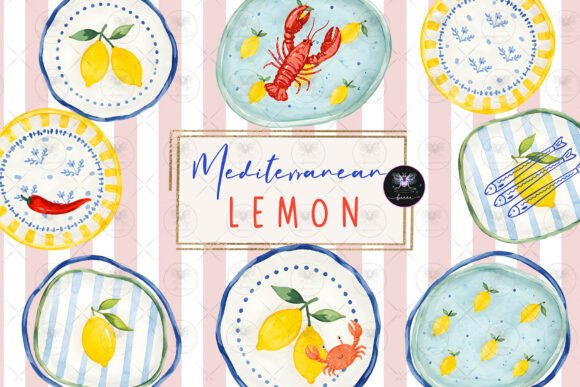
The visual language of food and travel has evolved significantly in the digital age. Where once generic stock photography dominated restaurant menus and travel blogs, there is now a distinct shift toward authentic, hand-crafted aesthetics that evoke emotion and atmosphere. At the forefront of this trend is the Mediterranean Lemon Seafood Clipart collection, a curated assembly of watercolor illustrations that captures the essence of coastal living. This artistic resource does more than provide decorative elements; it offers a narrative tool for designers, chefs, and content creators who wish to communicate freshness, warmth, and culinary sophistication.
Understanding the utility of these digital assets requires looking beyond their surface appeal. The integration of hand-painted lemons, lobsters, sardines, and crabs into modern design workflows represents a bridge between traditional artistry and contemporary digital needs. By utilizing high-quality PNG files with transparent backgrounds, creators can seamlessly blend these organic textures into various mediums, from printed invitations to dynamic social media graphics. The charm of the Mediterranean coast is not merely a theme but a strategic design choice that resonates with audiences seeking authenticity and relaxation.
The Artistic Appeal of Watercolor in Commercial Design
Watercolor as a medium possesses unique characteristics that make it particularly effective for food and lifestyle branding. Unlike vector graphics, which can sometimes feel sterile or overly precise, watercolor introduces an element of unpredictability and human touch. The soft edges, subtle color bleeding, and textured brushstrokes found in Mediterranean Lemon Seafood Clipart mimic the natural irregularities of fresh ingredients. This aesthetic aligns perfectly with the current consumer preference for artisanal and hand-made qualities, even in digital spaces.
The specific palette used in these illustrations—vibrant yellows for lemons, deep reds for chili peppers, and varied blues and oranges for seafood—creates a visual harmony that is both eye-catching and soothing. These colors are psychologically associated with appetite stimulation and positive energy. When incorporated into menu designs or kitchen decor, they help establish an environment that feels welcoming and lively. The transparency of the PNG files ensures that these colors can interact with underlying backgrounds, allowing for layered compositions that add depth and interest to any project.
Key Elements and Symbolism
Each component within the clipart set carries symbolic weight that enhances the storytelling potential of a design. Lemons, for instance, are universally recognized symbols of freshness, cleanliness, and zest. In Mediterranean culture, they are indispensable to seafood preparation, adding brightness to rich flavors. Including hand-painted lemons in a design immediately signals to the viewer that the associated product or event is fresh and vibrant.
- Lobsters and Crabs: These crustaceans represent luxury and indulgence. Their intricate shapes provide visual complexity, making them ideal focal points for invitations or premium menu items.
- Sardines: Often associated with traditional, rustic dining, sardines evoke a sense of heritage and authenticity. They appeal to audiences interested in sustainable and local food sources.
- Chili Peppers: Adding a touch of spice, both literally and figuratively, chili peppers introduce contrast and excitement. They suggest bold flavors and culinary adventure.
- Decorative Plates: These elements frame the food, providing context and structure. They hint at the dining experience itself, suggesting elegance and attention to detail.
By combining these elements, designers can create cohesive narratives that go beyond simple decoration. A poster featuring a lobster next to a lemon slice tells a story of a specific culinary tradition, inviting the viewer to imagine the taste and atmosphere of a seaside meal.
Practical Applications Across Industries
The versatility of Mediterranean Lemon Seafood Clipart extends far beyond personal hobby projects. Its professional-grade quality makes it suitable for a wide range of commercial and educational applications. Understanding how to leverage these assets can significantly enhance the visual impact of various products and services.
Hospitality and Culinary Branding
For restaurants, cafes, and catering services, visual identity is crucial. Menu designs benefit immensely from illustrations that reflect the cuisine’s origin. Instead of relying on costly food photography, which can become outdated or inconsistent, watercolor clipart offers a timeless and cohesive look. Chefs can use these images to highlight daily specials, while event planners can incorporate them into table cards and signage for weddings or corporate dinners held in coastal venues. The ability to scale these images without losing quality ensures they look crisp on both small business cards and large banner prints.
Paper Goods and Event Stationery
Invitations for summer weddings, baby showers, or birthday parties often seek themes that are light, airy, and celebratory. The sunny spirit of seaside dining captured in this clipart set makes it an ideal choice for such occasions. Designers can create custom invitation suites that feature watercolor lemons and seafood motifs, paired with elegant typography. The transparent background allows for easy layering over textured paper backgrounds or pastel colors, enabling endless customization options. Scrapbookers and journal enthusiasts also find value in these elements, using them to document travel memories or create themed layouts that capture the joy of vacation experiences.
Digital Content and Social Media
In the realm of digital marketing, visual consistency helps build brand recognition. Bloggers focusing on travel, food, or lifestyle can use these illustrations to break up text, create featured images, or design infographics. For social media managers, the clipart provides ready-made assets for stories, posts, and highlights. Stickers and digital planners are another growing market where these images thrive. Users can import the PNG files into planning apps to add a touch of whimsy and organization to their daily schedules. The high resolution ensures that even when viewed on high-density screens, the watercolor textures remain detailed and appealing.
Technical Considerations for Optimal Use
To maximize the potential of Mediterranean Lemon Seafood Clipart, users must understand the technical aspects of working with digital illustrations. While the files are provided as high-quality PNGs with transparent backgrounds, proper handling ensures the best results across different platforms.
First, resolution matters. For print projects such as menus or invitations, it is essential to use the images at their native size or scale them down rather than up. Enlarging a raster image beyond its original dimensions can lead to pixelation, which detracts from the professional appearance. For web use, optimizing file size without compromising visual quality is key to maintaining fast load times. Most modern design software allows for easy compression and format conversion if needed.
Second, color management plays a role in how the illustrations appear across different devices. Screens emit light, while printed materials reflect it, leading to variations in color perception. Designers should calibrate their monitors and, if possible, request proof prints for critical projects to ensure the vibrant yellows and deep reds translate accurately. Understanding the difference between RGB (for screens) and CMYK (for print) color modes helps in making necessary adjustments before final production.
Integration with Other Design Elements
These clipart elements work best when complemented by appropriate typography and layout choices. Since watercolor illustrations have a soft, organic feel, pairing them with clean, sans-serif fonts can create a modern contrast, while serif fonts may enhance a classic, elegant vibe. White space is equally important; allowing the illustrations to breathe prevents the design from feeling cluttered. Overlapping elements slightly can create a sense of depth, mimicking the way items might be arranged on a real table.
Furthermore, considering the cultural context of the Mediterranean region can guide design decisions. Incorporating patterns or textures inspired by coastal architecture, such as tile motifs or linen fabrics, can enhance the thematic coherence. The goal is to create a holistic visual experience that transports the viewer to the sunny shores of the Mediterranean, evoking feelings of relaxation and culinary delight.
Conclusion: Embracing Authenticity in Visual Communication
The demand for authentic, emotionally resonant visual content continues to grow. Mediterranean Lemon Seafood Clipart offers a powerful solution for creators seeking to infuse their projects with warmth, freshness, and artistic integrity. Whether used for commercial branding, personal creativity, or educational materials, these watercolor illustrations provide a versatile foundation for compelling design. By understanding the symbolic value of each element and applying technical best practices, users can unlock the full potential of this collection. Ultimately, the charm of the Mediterranean coast is not just about aesthetics; it is about conveying a lifestyle that values quality, community, and the simple pleasures of good food and sunshine. Integrating these elements into your creative workflow allows you to share that experience with your audience in a meaningful and visually stunning way.